The Ultimate Travel Guide to Italy: Your Dream Italian Adventure Awaits
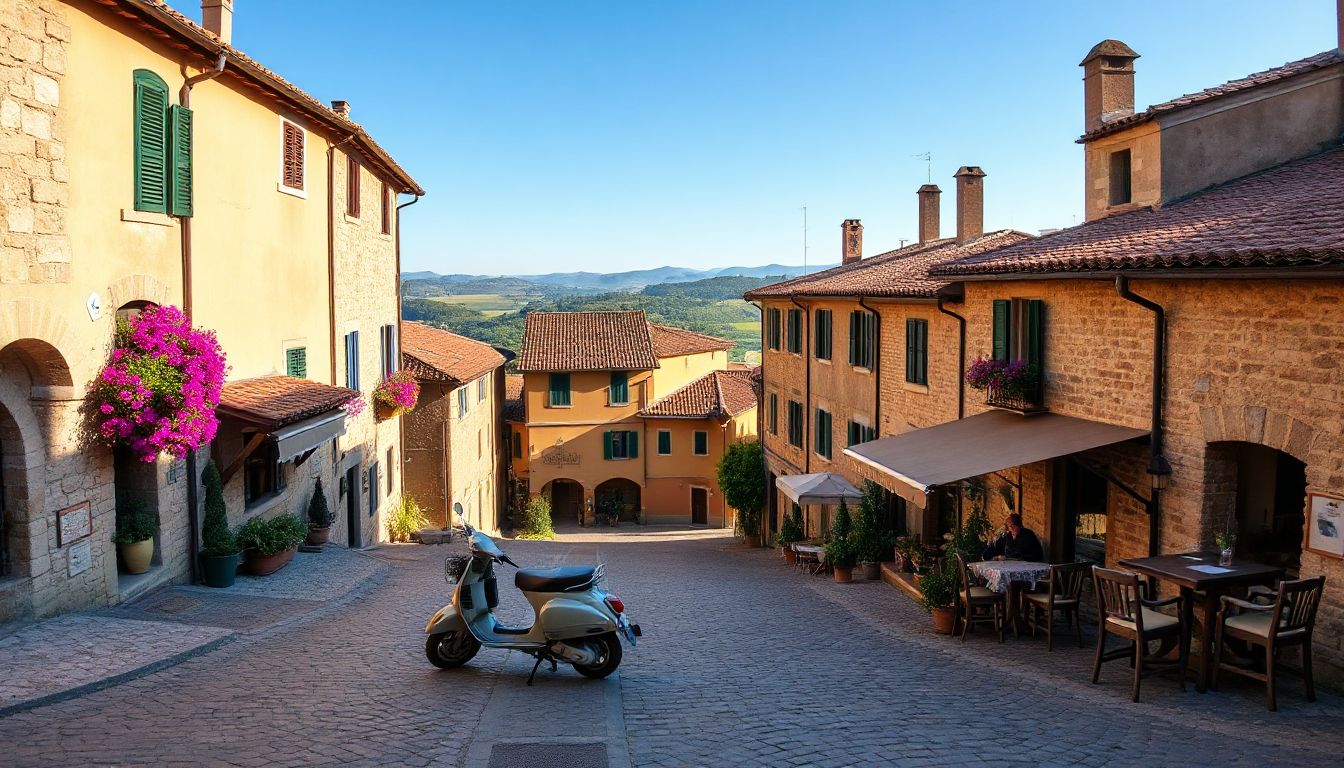
Italy. The very name conjures images of ancient ruins, Renaissance art, rolling vineyards, and mouthwatering cuisine. From the romantic canals of Venice to the sun-drenched Amalfi Coast and the historic heart of Rome, Italy offers an unparalleled travel experience. This comprehensive guide will equip you with everything you need to plan your unforgettable Italian journey, ensuring you make the most of your time in this captivating country. Get ready to immerse yourself in "la dolce vita"!
Planning a trip to Italy can feel overwhelming with so much to see and do, but breaking it down into key areas will make it manageable and exciting. This guide will cover essential aspects from when to visit and how to get around to the must-see destinations and culinary delights, providing actionable tips and insights for every type of traveler. Whether you're a history buff, a food lover, an art enthusiast, or simply seeking breathtaking landscapes, Italy has something extraordinary to offer.
Planning Your Italian Escape: When to Go and What to Pack
This section will focus on the foundational elements of trip planning, helping travelers make informed decisions about timing and preparation to maximize their enjoyment and minimize potential issues. Knowing when to go and what to bring makes all the difference for a smooth journey.
Best Times to Visit Italy
Choosing the right time for your Italy trip can really change your experience. Each season has its own special feel, offering different perks for your travel plans. Consider what you want most from your adventure.
- Spring (April-May): This is a wonderful time to visit Italy. The weather is usually mild and pleasant, perfect for walking tours. You will find fewer crowds compared to summer. Plus, the countryside bursts with blooming flowers, making for stunning views.
- Summer (June-August): Summer is Italy's peak travel season. Expect hot weather and a vibrant, lively atmosphere in cities and coastal areas. While prices are higher and tourist spots are busy, this is prime time for beach holidays and open-air events.
- Autumn (September-October): Fall brings beautiful colors to Italy, especially in the vineyards. The weather remains good, and the summer crowds begin to thin out. This is also harvest season, offering many food festivals and wine-tasting opportunities.
- Winter (November-March): Cooler temperatures define winter in Italy, leading to far fewer tourists. It's a great time for city breaks, enjoying museums without long lines, and experiencing festive holiday cheer. Plus, ski resorts in the Alps offer excellent winter sports.
Essential Packing List for Italy
Packing smart ensures you are ready for anything your Italian adventure throws at you. Think about what you plan to do and where you'll go. A well-packed bag helps keep stress low and fun high.
- Clothing: Layers are your friend in Italy. Evenings can be cool, even after a warm day. Bring comfortable walking shoes, as you'll do a lot of exploring on foot. Pack versatile outfits that work for both casual sightseeing and nicer dinners.
- Documents and Essentials: Always keep your passport handy, and check if you need a visa before you leave. Travel insurance is a smart idea for unexpected events. Don't forget your credit cards and a universal power adapter for your electronics.
- Health and Safety: A small first-aid kit with basics like pain relievers and band-aids is useful. If you take personal medications, carry enough for your trip. Sunscreen is key, even on cloudy days, especially when visiting coastal areas or ancient sites.
Navigating Italy: Transportation and Accommodation
Moving between Italy's charming cities and finding a great place to stay is part of the fun. This section helps you figure out the best ways to get around and where to rest your head. A bit of planning here makes your journey much smoother.
Getting Around Italy
Italy's transport system is quite good, making it easy to travel far and wide. Your choice often depends on how fast you want to go and how much you want to see. Each method offers a different way to experience the country.
- High-Speed Trains: Trenitalia and Italo offer excellent high-speed train services between major cities. They are fast, comfortable, and very efficient. You can zip from Rome to Florence in under two hours. Italy's high-speed rail network has an impressive on-time performance of over 90%.
- Regional Trains and Buses: For smaller towns or more local travel, regional trains and buses are a good choice. They are usually cheaper and let you see more of the local scenery. These are perfect for exploring charming villages not on the main high-speed lines.
- Car Rentals: Renting a car gives you great flexibility, especially for exploring rural areas like Tuscany or the Dolomites. However, remember that parking can be tough and expensive in big cities, and ZTL (limited traffic zones) are common.
- Flights: Domestic flights are an option for longer distances or reaching islands like Sicily or Sardinia quickly. While useful, the time spent at airports might not always save time over trains for mainland travel.
Finding Your Perfect Italian Stay
Italy offers a huge range of places to stay, fitting every budget and taste. Whether you like luxury or a simple, local feel, there is something just right for you. Your choice of lodging can really shape your trip's vibe.
- Hotels: From grand five-star hotels to cozy, budget-friendly options, hotels are widely available in every city and town. You can find modern chains or historic properties with unique charm.
- Agriturismos: These are farm stays, often found in rural areas like Tuscany or Umbria. Agriturismos offer an authentic experience, fresh local food, and a chance to relax in beautiful countryside settings. They are ideal for a peaceful retreat.
- Vacation Rentals (Apartments/Villas): For families or longer stays, renting an apartment or a whole villa can be cost-effective and provide more space. Websites like Airbnb and local agencies offer many choices, letting you live like a local.
- Boutique Guesthouses: These smaller, charming options are often locally run and provide a personal touch. They can be found in city centers or quaint villages, offering unique decor and a warm welcome.
Must-See Destinations: Iconic Cities and Regions
Italy is packed with amazing places, each telling its own story. From ancient ruins to masterpieces of art, every corner holds something special. Deciding where to go can be tough, but these spots are truly unmissable.
Rome: The Eternal City
Rome is a living museum, where history meets modern life. Walking its streets feels like stepping back in time. The sheer scale of history preserved here is truly breathtaking.
- Ancient Wonders: Visit the mighty Colosseum, where gladiators once fought. Explore the Roman Forum and Palatine Hill, the heart of ancient Rome. These sites showcase the incredible power and engineering of the Roman Empire.
- Vatican City: This tiny independent state within Rome is home to the Pope. Marvel at St. Peter's Basilica, a masterpiece of Renaissance architecture. Discover priceless treasures in the Vatican Museums, including the awe-inspiring Sistine Chapel ceiling by Michelangelo.
- Iconic Landmarks: Toss a coin into the Trevi Fountain to ensure your return to Rome. Admire the Pantheon, a remarkably preserved ancient temple. Climb the Spanish Steps for lovely city views and a vibrant atmosphere.
- Neighborhoods to Explore: Wander through Trastevere, a charming area with narrow cobblestone streets. It is known for its traditional restaurants and lively nightlife, perfect for an evening stroll.
Florence: Cradle of the Renaissance
Florence pulses with artistic energy, known as the birthplace of the Renaissance. Art lovers will find themselves in heaven here. The city holds a concentration of world-class art that is unmatched.
- Artistic Masterpieces: Spend hours at the Uffizi Gallery, home to Botticelli's "Birth of Venus" and countless other masterpieces. See Michelangelo's iconic "David" sculpture at the Accademia Gallery. These galleries hold some of the world's most famous artworks.
- Architectural Marvels: Gaze up at the magnificent Duomo, Florence Cathedral, with its famous dome designed by Brunelleschi. Stroll across the Ponte Vecchio, a unique medieval bridge lined with shops.
- Panoramic Views: Head to Piazzale Michelangelo for the most stunning panoramic views of Florence and the Arno River. It is a perfect spot to watch the sunset over the city's red rooftops.
Venice: The Floating City
Venice is a city like no other, built on water with canals instead of streets. Its unique charm and romantic vibe draw visitors from all over. Every turn offers a new, postcard-perfect scene.
- Canal Experiences: A gondola ride is a classic Venetian experience, offering a unique perspective of the city's hidden waterways. For practical transport, use the Vaporetto (water bus) to get around and see Venice from the water.
- Iconic Landmarks: Explore St. Mark's Square and Basilica, the city's heart, with its stunning mosaics. Visit the Doge's Palace, a symbol of Venetian power. Cross the Rialto Bridge, a famous arch bridge over the Grand Canal.
- Island Excursions: Take a short boat trip to the nearby islands of Murano, famous for its intricate glassmaking workshops. Visit Burano, known for its brightly colored houses and lacemaking traditions.
Other Unmissable Italian Gems
Beyond the big three, Italy offers many more incredible places to visit. Each region boasts its own character and special attractions. These spots promise unique experiences and stunning beauty.
- Amalfi Coast: This coastline south of Naples is breathtaking, with picturesque cliffside towns like Positano and Amalfi. Its winding roads offer stunning views of the Mediterranean Sea.
- Cinque Terre: Five colorful villages cling to the Ligurian coast, connected by hiking trails and a local train. They offer dramatic landscapes, vineyards, and fresh seafood.
- Milan: Italy's fashion and design capital. See the grand Duomo di Milano, a massive Gothic cathedral. Visit the Santa Maria delle Grazie convent to see Leonardo Da Vinci's iconic "The Last Supper."
- Sicily: The largest island in the Mediterranean boasts a rich history, diverse landscapes from active volcanoes to stunning beaches, and ancient Greek and Roman ruins. Its unique culture is truly captivating.
Savoring Italy: Culinary Delights and Food Experiences
Italian food is famous worldwide, but tasting it in Italy is a whole different experience. Each region has its own specialties, reflecting local traditions and ingredients. Get ready to feast on incredible flavors.
Iconic Italian Dishes to Try
Italian cooking celebrates fresh, simple ingredients and timeless recipes. Knowing what to look for will help you taste the best of Italy. The philosophy is often "less is more," letting quality ingredients shine.
- Pasta Perfection: Italian pasta varies greatly by region. Try Carbonara in Rome, a creamy dish with eggs, cheese, cured pork, and black pepper. In Genoa, savor Pesto, a vibrant sauce with basil, pine nuts, garlic, cheese, and olive oil. Bologna is famous for Bolognese, a hearty meat-based sauce.
- Pizza: You must try authentic Neapolitan pizza in Naples, where it originated. It's simple, with fresh ingredients like San Marzano tomatoes, mozzarella, basil, and olive oil, cooked quickly in a hot oven.
- Risotto: This creamy rice dish is a staple in northern Italy. Common versions include saffron risotto (risotto alla Milanese) or mushroom risotto, offering rich and comforting flavors.
- Gelato: No trip to Italy is complete without trying gelato. It is smoother and denser than ice cream, with more intense natural flavors. Look for artisanal gelaterias for the best experience.
Experiencing Italian Food Culture
Eating in Italy is about more than just the food; it's a way of life. Embracing local customs makes your culinary journey even richer. Italians take their food and drink seriously.
- Eating Like a Local: Seek out trattorias and osterias for authentic, traditional meals. These smaller, often family-run places offer genuine regional dishes and a warm atmosphere. Avoid tourist traps near major attractions.
- Wine Pairing: Italy boasts an incredible number of native grape varietals, far more than almost any other country. Learn about regional wines like Chianti in Tuscany or Prosecco from Veneto. Ask locals for pairing suggestions with your meal.
- Food Tours and Cooking Classes: Dive deeper into Italian food culture by joining a food tour. You can sample local specialties and learn about their history. Taking a cooking class offers a hands-on way to master classic Italian recipes, which is great fun.
Practical Tips for a Seamless Italian Adventure
A successful trip to Italy involves more than just seeing the sights. These practical tips cover language, money, and staying safe. A little preparation goes a long way to make your Italian adventure smooth and fun.
Language Basics and Etiquette
Learning a few basic Italian phrases shows respect and can greatly enhance your interactions. Understanding local customs also helps you blend in and avoid misunderstandings. People always appreciate the effort.
- Essential Italian Phrases: Learn simple greetings like "Buongiorno" (good day), "Buonasera" (good evening), and "Ciao" (hello/goodbye, informal). "Grazie" (thank you) and "Per favore" (please) are always useful.
- Dining Etiquette: Italians typically eat dinner later, around 7:30 or 8 PM. A service charge (coperto) is often included on your bill, so tipping is not always expected in restaurants. However, a small tip for exceptional service is always welcome.
- Cultural Norms: Respect local customs and traditions. Dress modestly when visiting churches and religious sites. It is polite to greet shopkeepers when you enter and leave their stores.
Budgeting and Money Matters
Managing your money smartly ensures you can enjoy your Italian vacation without worry. Knowing about currency, payment methods, and tipping helps you budget better. Italy can be enjoyed on various budgets.
- Currency: Italy uses the Euro (€). It is helpful to have some small euro notes for minor purchases or tips.
- Payment Methods: Credit cards are widely accepted in most shops, restaurants, and hotels, especially in cities. However, carrying some cash for small cafes, markets, or smaller towns is a good idea.
- Tipping: As noted, service charge is often included, especially for sit-down meals. For coffee or drinks, rounding up the bill or leaving a euro or two is common if service was good. For tour guides or taxi drivers, a small tip is often appreciated.
- Cost-Saving Tips: Eating at local markets or small "trattorias" can be cheaper than tourist-heavy restaurants. Utilize public transport like buses and metros in cities to save on taxi fares.
Staying Connected and Safe
Keeping in touch and staying safe are important for a worry-free trip. Knowing how to use your phone and being aware of your surroundings helps a lot. A little caution goes a long way.
- Mobile Phones and Wi-Fi: Consider buying a local SIM card for affordable data and calls if your plan doesn't cover international roaming. Wi-Fi is widely available in hotels, cafes, and many public areas in larger cities.
- Safety Precautions: Italy is generally safe, but like any popular tourist destination, pickpocketing can happen, especially in crowded areas like train stations or major attractions. Be aware of your surroundings, keep valuables secure, and avoid carrying large amounts of cash.
Your Italian Dream Awaits
Italy is a country that captivates the senses and leaves an indelible mark on every traveler. From its profound history and breathtaking art to its unparalleled cuisine and diverse landscapes, there is a magic to Italy that is truly one of a kind. By planning ahead, embracing the local culture, and savoring every moment, you are sure to create memories that will last a lifetime. So, pack your bags, brush up on your Italian greetings, and prepare for an extraordinary adventure. Buon viaggio!
Labels: best italy travel guide, italy map, italy travel guide book, italy travel guide pdf, italy travel packages, tips for traveling to italy for the first time, travel guide italy, travel to italy requirements
posted by Chamidu Dulshan @ August 07, 2025
0 Comments